Author: International Journal of Government Auditing
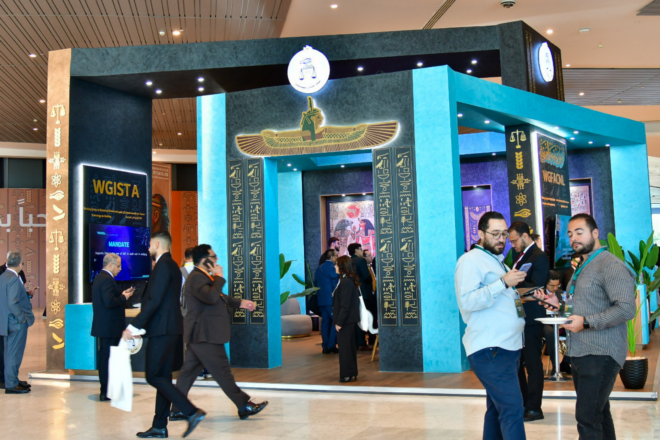
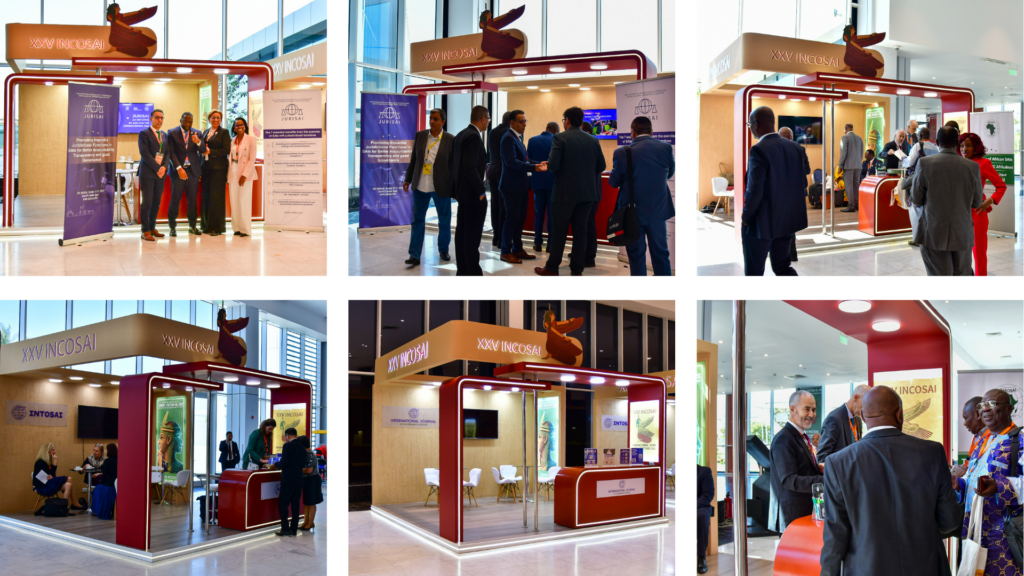
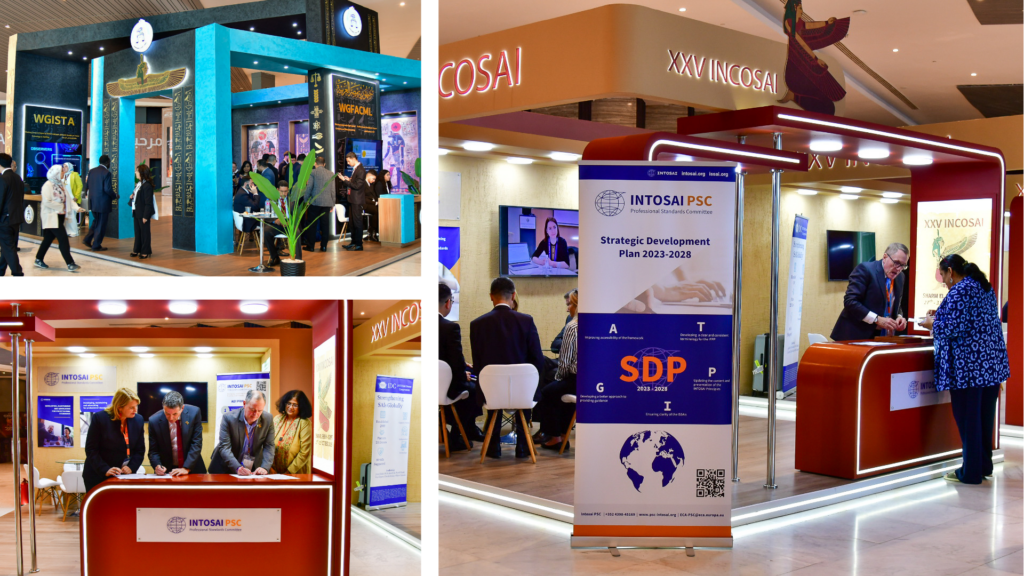
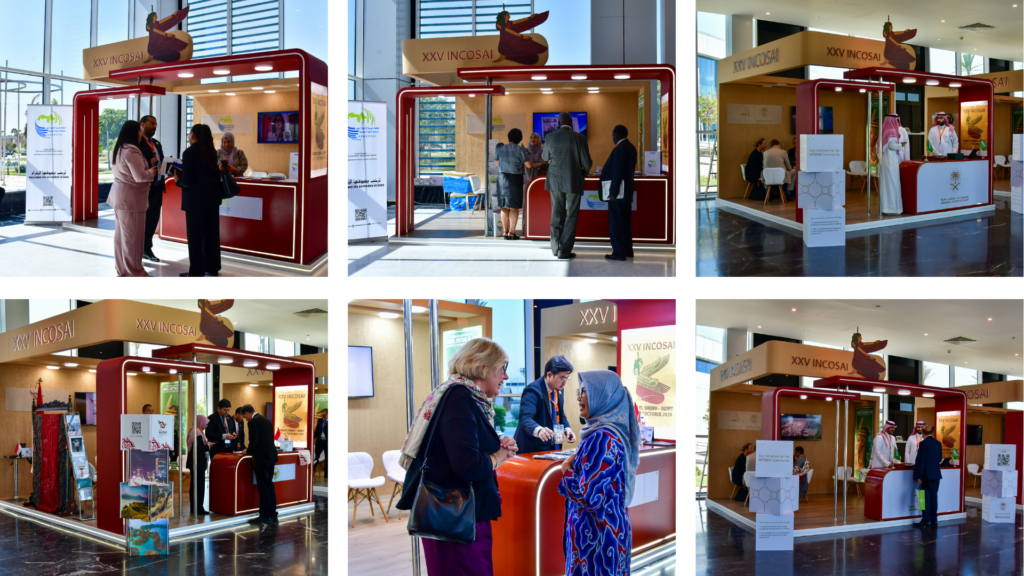
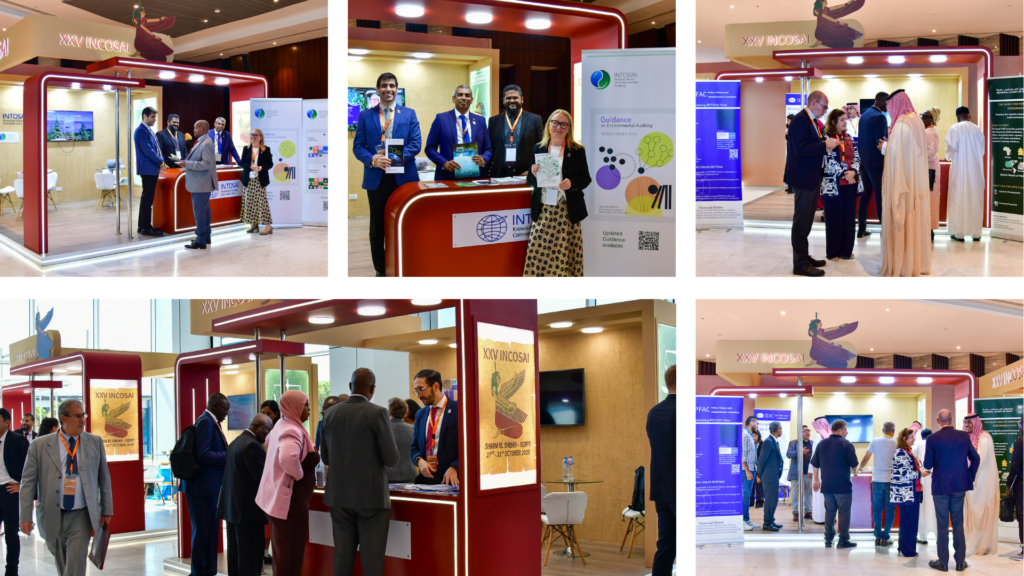
Numerous INTOSAI bodies, regional organizations and other affiliated groups were represented at booth spaces throughout the INCOSAI.
INCOSAI delegates utilized the booths as a meaningful opportunity to connect with one another.
Clockwise from top left: (1) JURISAI; (2) JURISAI; (3) AFROSAI; (4) AFROSAI; (5) INTOSAI Journal; (6) INTOSAI General Secretariat. Source: INTOSAI JournalClockwise from top left: (1) INTOSAI Chair, SAI Egypt and the INTOSAIWorking Group on Impact of Science and Technology on Auditing (WGISTA), and the INTOSAI Working Group on the Fight Against Corruption and Money Laundering (WGFACML); (2) INTOSAI Professional Standards Committee; (3) INTOSAI Professional Standards Committee (PSC) and IDI Memorandum of Understanding Signing at the PSC Booth. Source: INTOSAI JournalClockwise from top left: (1) ARABOSAI; (2) ARABOSAI; (3) The General Court of Audit of Saudi Arabia; (4) The General Court of Audit of Saudi Arabia; (4) The INTOSAI General Secretariat, Dr. Margit Kraker, meets with Dr. Isma Yatun, Audit Board of Indonesia Chairwoman and INTOSAI Vice Chair at the SAI Indonesia booth; (5) The Audit Board of Indonesia, INTOSAI Vice Chair. Source: INTOSAI JournalClockwise from top left: (1) Brazilian Federal Court of Accounts; (2) Brazilian Federal Court of Accounts; (3) INTOSAI Capacity Building Committee; (4) INTOSAI Capacity Building Committee; (5 CAROSAI. Source: INTOSAI JournalClockwise from top left: (1) INTOSAI Knowledge Sharing Committee and the INTOSAI Working Group on Environmental Auditing; (2) INTOSAI Knowledge Sharing Committee and the INTOSAI Working Group on Environmental Auditing; (3) INTOSAI Policy, Finance, and Administration Committee; (4) INTOSAI Policy, Finance, and Administration Committee; (5) INTOSAI Development Initiative. Source: INTOSAI Journal
The Global Summit on SAI Audits Contributing to Digitalisation and Sustainability, held on November 18-19, 2024, in Tbilisi, Georgia, marked a significant milestone in the collective efforts of Supreme Audit Institutions (SAIs) worldwide towards current and emerging trends about sustainability and digitalisation. Hosted by SAI Georgia and the INTOSAI Development Initiative (IDI), the Summit welcomed a diverse group of leaders, including SAIs, international organisations, academia, and other key stakeholders.
The Office of the Comptroller General of the Republic of Peru officially launched the “International Observatory of Government and Supreme Audit Institution (SAI) Initiatives in Relation to COVID-19” website in August 2020. The observatory, designed to…
OLACEFS marks its 54th anniversary and contributes to numerous meetings and seminars. The region is also carrying out the 2019 Regional Research Competition “Strengthening auditing and government control to benefit Latin America and the Caribbean” for OLACEFS full members and associates…