The Role of Supreme Audit Institutions in Auditing Central Banks and Government Activities During Financial and Economic Crises

Author: Jessica Du, Vice President and Editor of the International Journal of Government Auditing
At the 25th International Congress of Supreme Audit Institutions (INCOSAI), delegates focused on a critical issue facing today’s public institutions: understanding the role Supreme Audit Institutions (SAIs) should play in auditing central banks and government activities during financial and economic crises.
A Timely and Sensitive Theme
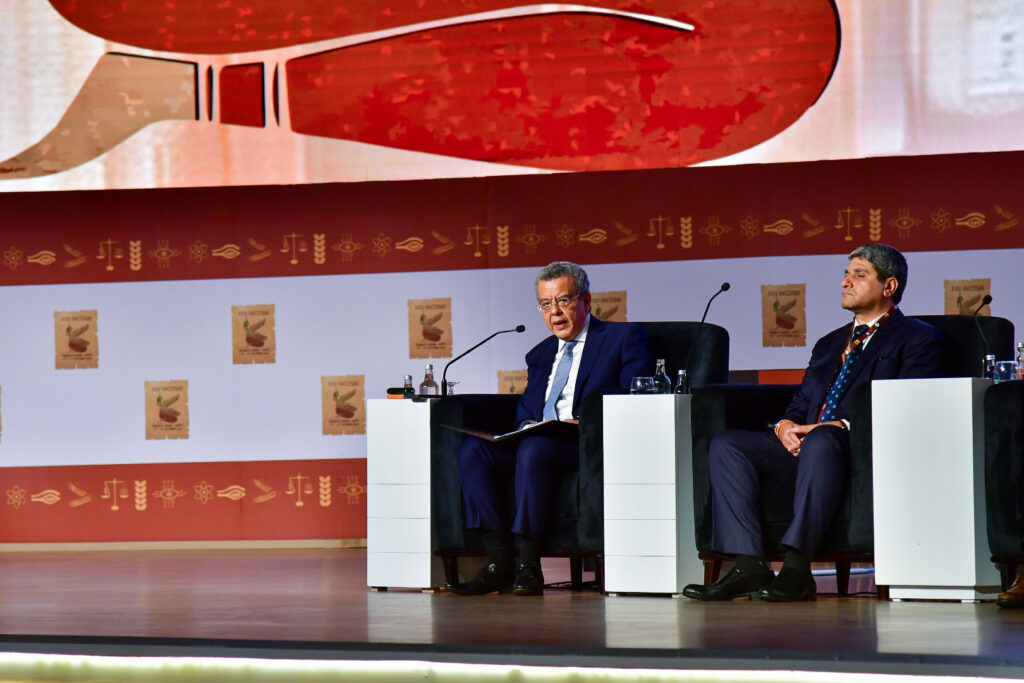
Introducing the Congress’s first technical theme, INTOSAI Chair President Mohamed El-Faisal Youssef of Egypt’s Accountability State Authority (ASA) set the tone for the discussion by highlighting the diversity of mandates under which SAIs operate. Across jurisdictions, he noted, some SAIs audit central banks directly, while others are limited by legal or constitutional frameworks designed to protect monetary independence. Yet regardless of these differences, the core responsibility of SAIs remains the same: to adapt during times of crisis, mitigate risks, and strengthen citizens’ trust in public institutions. Financial crises, he stressed, do not only disrupt markets — they put systems of governance to the test.

Mapping the Global Landscape
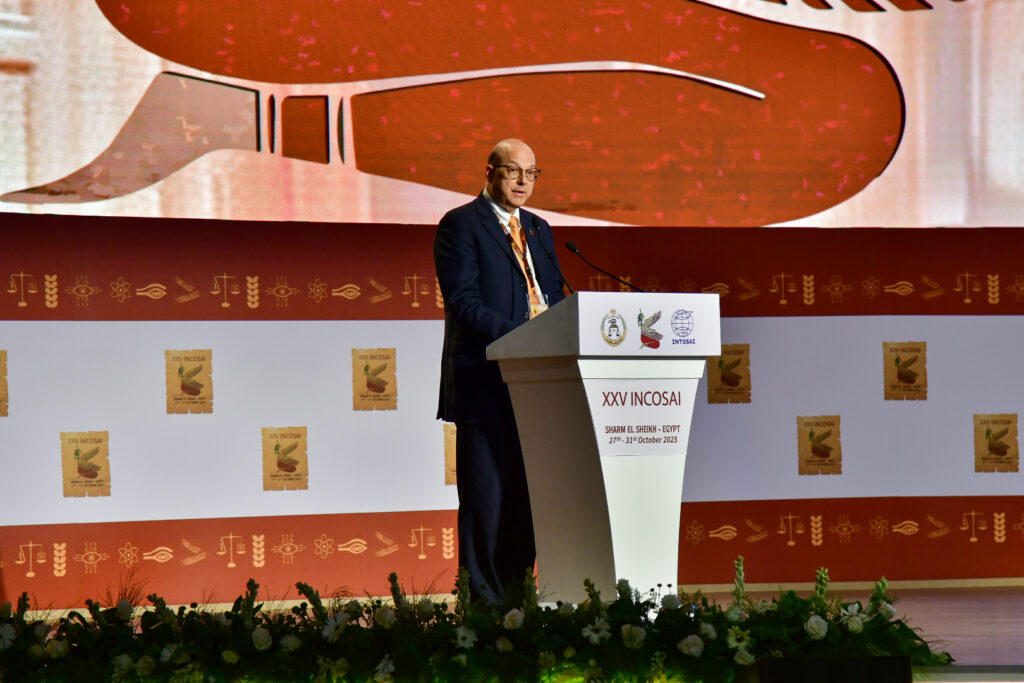
To ground the discussion, Steve Sanford, Managing Director of the U.S. Government Accountability Office (U.S. GAO), highlighted the Theme 1 paper and presented findings from a global survey conducted by the INTOSAI Working Group on Financial and Economic Stability. Roughly one-third of INTOSAI members responded, creating a broad snapshot of current practice.
The survey results offered important insight into the current global landscape. About 70 percent of responding SAIs reported having some authority to audit their central bank, while approximately 30 percent indicated they had none. Even where such authority existed, its scope varied considerably — ranging from comprehensive financial, compliance, and performance audits to more limited or narrowly defined responsibilities.
Across regions, SAIs reported common challenges: limited technical expertise in complex financial instruments, constrained audit authority, difficulty accessing sensitive data, and the delicate task of preserving central bank independence while ensuring accountability. The question, participants agreed, is not whether central banks should be audited — but how to strike a balance that respects autonomy without sacrificing transparency.
Egypt’s Experience: Auditing Crisis Response
Egypt’s own experience provided a practical case study. During the global financial crisis of 2008 and again during the COVID-19 pandemic, the Central Bank of Egypt deployed monetary policy tools to absorb economic shocks — adjusting interest rates, reserve requirements, and liquidity mechanisms. The government simultaneously introduced protective social programs to cushion citizens from inflation and income loss.
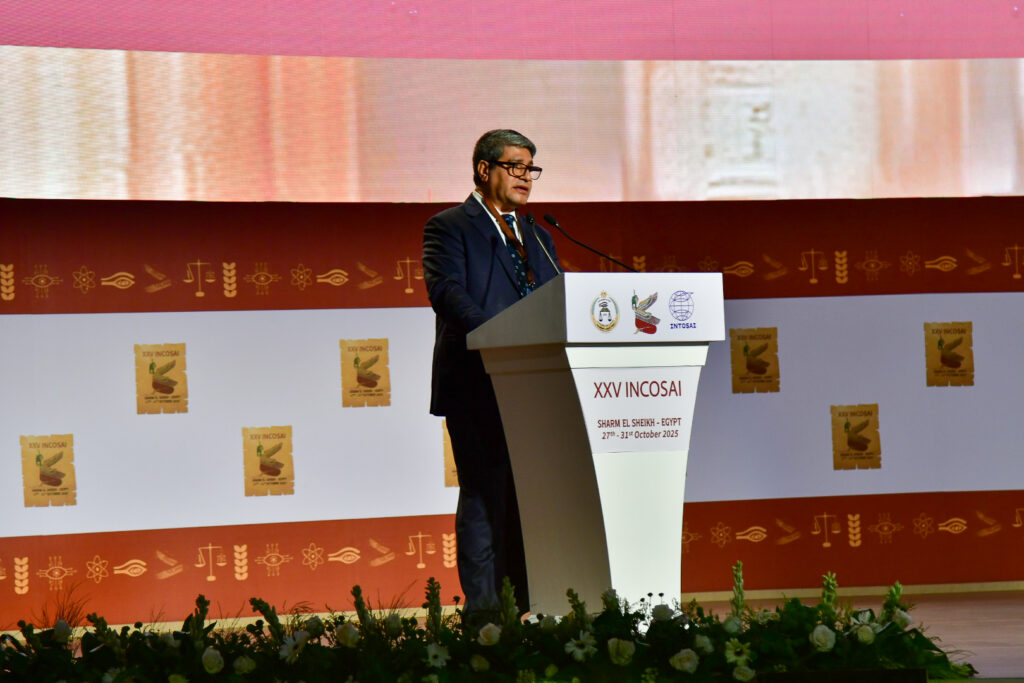
Ali Abdel-Aal, Head of Sector at the ASA, detailed how public expenditures reached 41 billion Egyptian pounds during 2024–2025 in response to ongoing economic pressures. Initiatives ranged from food security programs to subsidies aimed at increasing purchasing power. Discounts of up to 20 percent were offered on selected commodities, provided that a minimum of 25 percent of their components were locally manufactured.
Other initiatives financed small and medium-sized enterprises, supported the tourism sector, and funded renewable energy and agricultural development projects.
The ASA’s role was not to second-guess monetary policy decisions but to evaluate the effectiveness and efficiency of these initiatives. ASA assessed whether funds were reaching intended beneficiaries, whether internal controls were adequate, and whether the initiatives’ objectives were achieved.
Audit findings led to recommendations that strengthened internal auditing mechanisms, improved coordination among implementing agencies, and enhanced the efficiency of public resource management. Yet challenges persisted — particularly regarding the complexity of coordinating multiple institutions and the ongoing digital transformation of support databases.
The lesson was clear: in times of crisis, auditing must be flexible, risk-based, and forward-looking. SAIs must identify high-risk activities, guard against corruption and mismanagement, and transform challenges into opportunities for systemic improvement.
The Saudi Perspective: Internal Controls and Independence
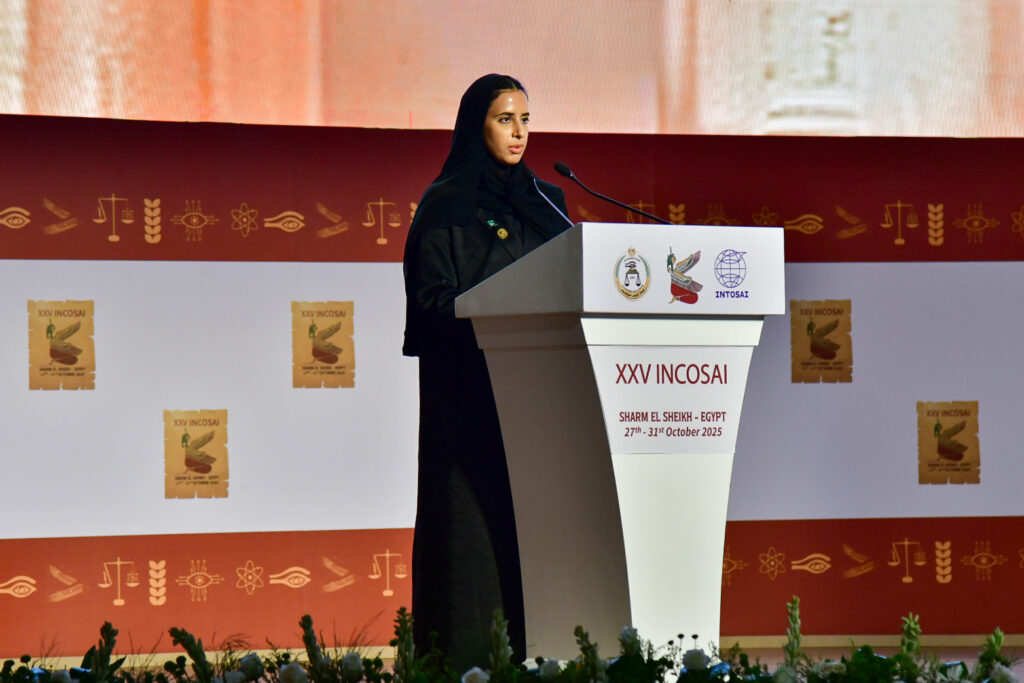
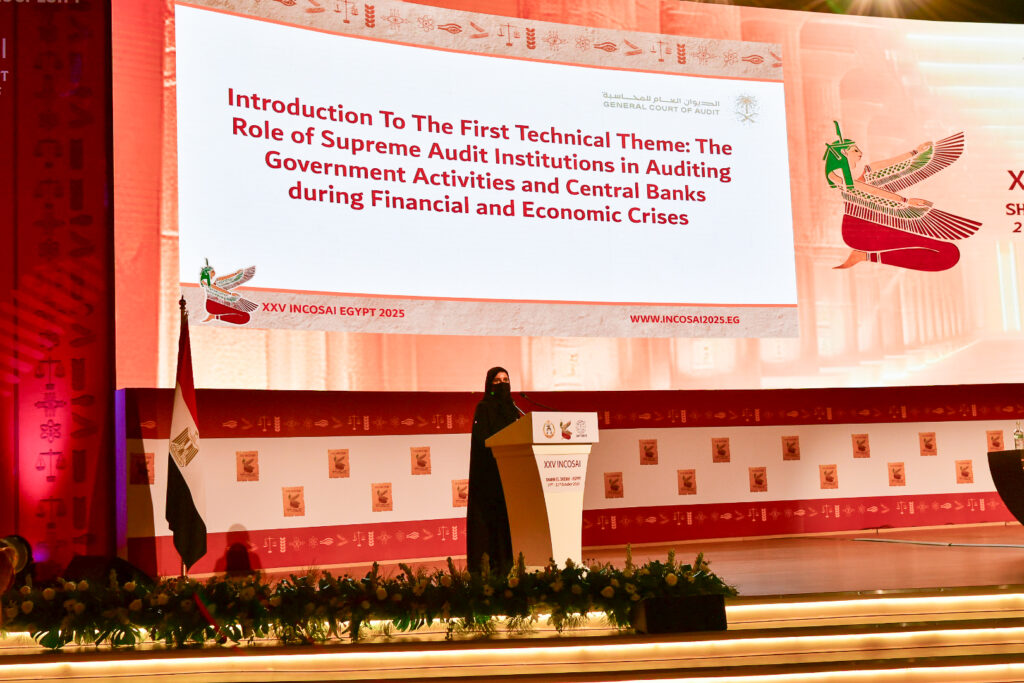
From Saudi Arabia, Ms. Lama AlHammadi of the General Court of Audit of Saudi Arabia underscored the importance of strengthening internal controls during financial turbulence.
While the General Court of Audit of Saudi Arabia does not have a mandate to audit Saudi Arabia’s central bank directly, it conducted extensive audits of government responses during COVID-19 — examining wage-support programs, tax relief measures, and food-security initiatives. Her remarks reflected a shared understanding: fiscal and monetary actions are “two sides of the same coin.” Even when one side remains outside direct audit authority, the visible side — public expenditure — must be scrutinized with rigor.
Auditors in this field, she argued, require more than traditional accounting skills. They need deep knowledge of microeconomic policy, financial regulation, liquidity management, and crisis-response mechanisms. Analytical capacity and technological fluency are equally essential, particularly as financial systems become more digitized and complex.
The European Union: Complexity at Scale
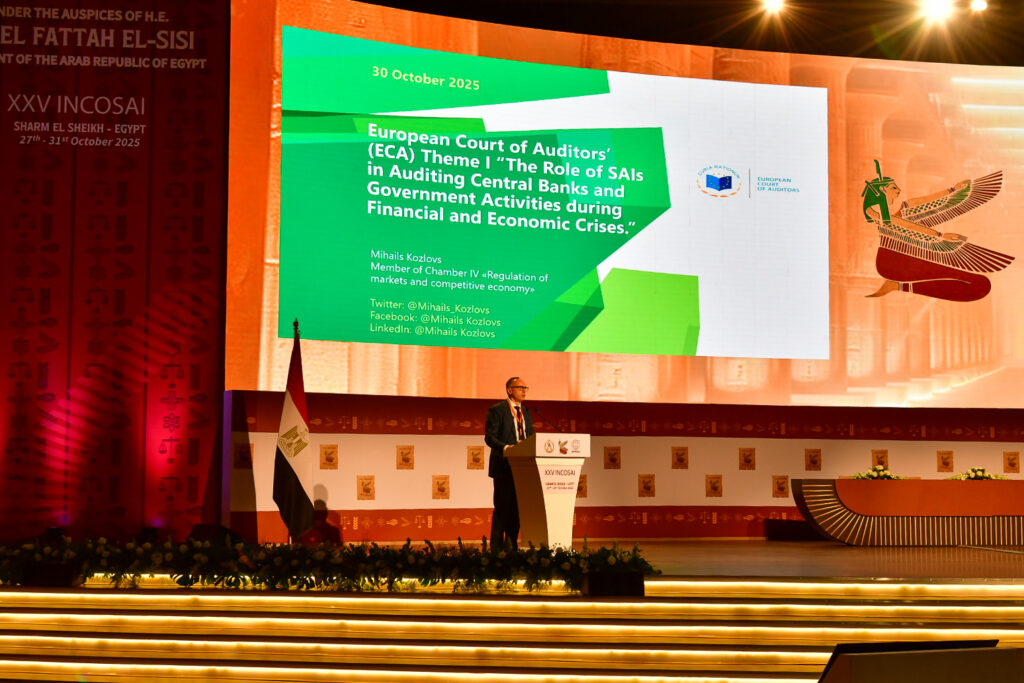
Mihails Koslovs of the European Court of Auditors (ECA) described how the European Union addressed financial governance reform after the 2008 crisis. In 2012, the EU created the European Banking Union, establishing a Single Supervisory Mechanism, a Single Resolution Mechanism, and a unified rulebook for member states.
These reforms transferred new operational tools and supervisory responsibilities to the EU level, raising expectations for independent oversight. Yet, they also introduced complexity. Audit mandates now span multiple layers — national supervisors, EU institutions, and intergovernmental arrangements.
The ECA has approached this evolving landscape through performance audits and by building mutual trust with auditees. However, he shared that the experience has not been straightforward. Each audit in this domain is unique, politically sensitive, and technically demanding. Confidentiality concerns and information-sharing barriers have required secure technological infrastructure and upgraded systems. Still, the core principle holds: independence and accountability are not opposing forces. Properly structured, they reinforce one another.
Building Capacity for a New Era
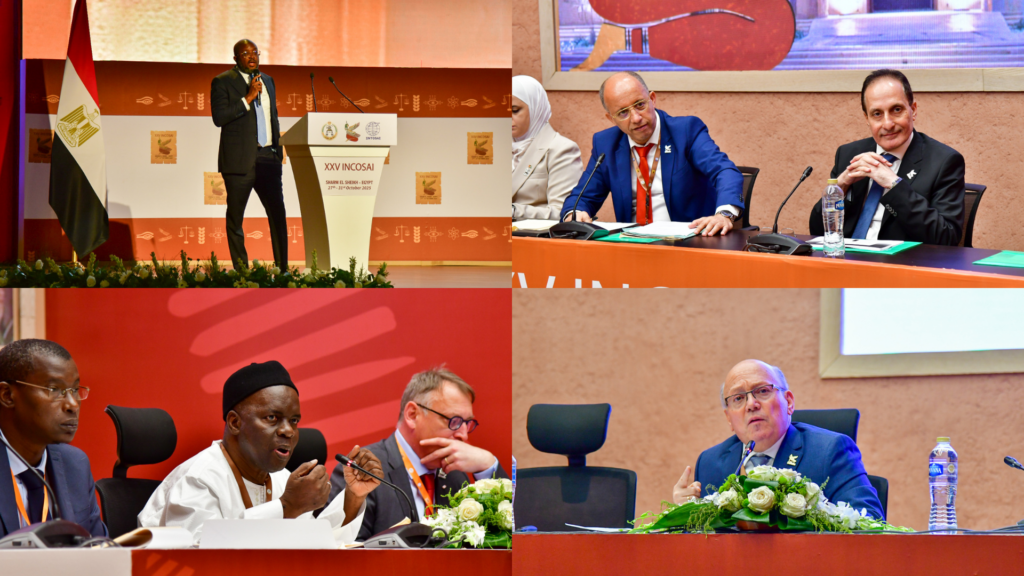
Throughout the Theme 1 break out language discussions, a consistent message emerged: institutional capacity underpins credibility. The General Court of Audit of Saudi Arabia served as the general rapporteur, and synthesized the language discussions moderated by the General Auditing Commission of Liberia (SAI Liberia) and the State Comptroller’s Office of Israel (SAI Israel) [English]; the Audit Bureau of Jordan (SAI Jordan) and the Court of Accounts of Tunisia (SAI Tunisia) [Arabic]; the Office of the Auditor General of Canada (SAI Canada) and the Court of Accounts of Senegal (SAI Senegal) [French]; and the Office of the Comptroller General of the Republic of Panama (SAI Panama) and the Comptroller General of the Republic of Peru (SAI Peru).
Auditing central banks and financial regulators demands expertise in economics, banking regulation, risk management, and macroeconomic analysis. Participants noted a worrying decline in the number of students entering economics programs in some regions, contributing to a shortage of experienced specialists.
Moreover, crises such as COVID-19 exposed operational challenges. Travel restrictions limited access to auditees. Yet, as INCOSAI participants stressed, ethical standards and evidence requirements cannot be relaxed. Auditors must adapt through alternative procedures, digital tools, and secure data channels — but they cannot compromise on evidence.
International standards such as ISSAI 315 emphasize the need for auditors to understand context thoroughly. Crisis auditing, delegates agreed, requires continuous professional education, multidisciplinary teams, advanced data analytics, and even the strategic use of artificial intelligence to process large datasets and detect risk patterns.
INTOSAI and its regional bodies were identified as vital platforms for knowledge exchange — through workshops, peer reviews, staff exchanges, and parallel audits. This further emphasized the importance of sharing experiences to strengthen collective SAI resilience.
Legal Clarity and Structured Cooperation
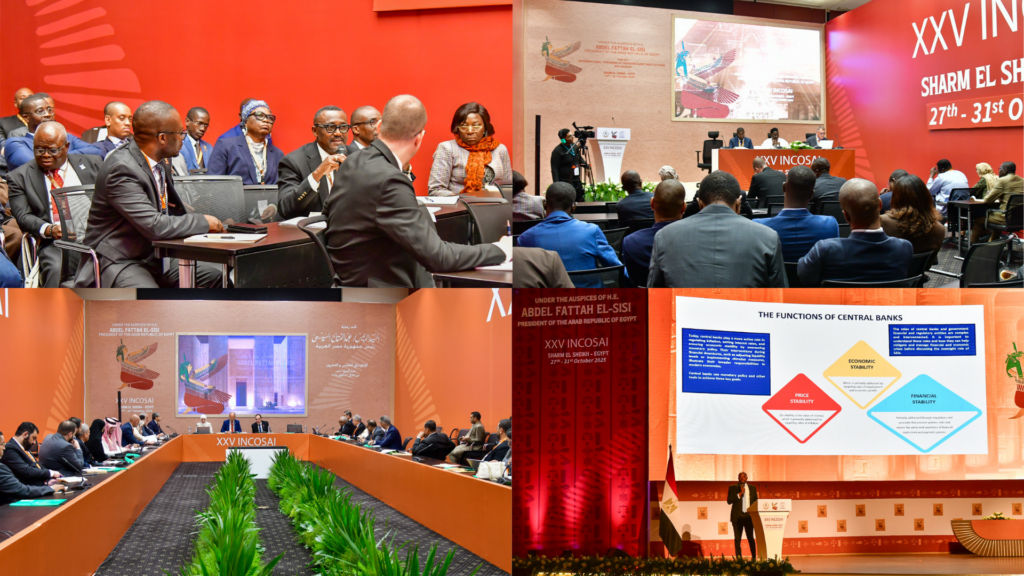
A persistent question concerned legal mandates during the Theme 1 discussions. In some jurisdictions, monetary arrangements extend beyond national authority, complicating oversight. Approximately seven in ten SAIs reported some legal authority to audit their central bank; three in ten reported none. Where authority exists, it often excludes monetary policy judgments while permitting review of governance processes, financial reporting, and operational performance.
Participants at the Congress underscored the importance of clear legislative mandates. Ambiguity can lead either to excessive intervention or undue restraint, both of which weaken accountability. Well-defined boundaries, on the other hand, encourage constructive cooperation and reinforce mutual respect between institutions. Oversight should not intrude upon policy independence, but neither should independence become insulation from scrutiny.
Beyond Financial Auditing: A Broader Vision
As the discussions continued, a more comprehensive vision for SAIs became clearer: The role of SAIs during crises should go beyond conventional financial auditing, extending to long-term assessments of policy effectiveness, macroeconomic analysis, and proactive evaluation of emerging risks.
Auditors must ask not only whether funds were spent legally, but whether interventions protected the most vulnerable, strengthened economic resilience, and justified the public resources deployed.
Crisis oversight should assess coordination among ministries of finance, central banks, and regulators — because crises test systems, not isolated institutions. Real-time auditing and structured follow-up mechanisms can transform findings into tangible reform.
A Partnership in Integrity
As the INCOSAI drew this theme to a close, a shared conviction resonated across regions and legal systems: oversight and independence are partners in integrity.
Central banks safeguard price stability and financial confidence. Governments deploy fiscal tools to shield citizens, and SAIs stand at the intersection, ensuring that public resources are managed lawfully, efficiently, and in ways that sustain trust.
Economic and financial crises will continue to test nations. But when audit authority is clear, capacity is strong, and collaboration is genuine, oversight becomes more than a retrospective exercise, but is also a strategic instrument of resilience in challenging times. Audits are not merely an examination of expenditures. They help to ensure trust between citizens and the institutions that serve them, and are an investment in economic and financial resilience during challenging times.