SAI Independence of Nepal: Triumphs and Challenges
Author: Maheshwar Kaphle1
Foundation of Independence
The term “Supreme Audit Institution (SAI) independence” is defined as the ability to accomplish tasks objectively and effectively and to be protected against outside influence. Such independence, or a necessary degree of independence, shall be laid down in the Constitution, details may be set out in legislation, and an independence audit mandate shall be guaranteed (Lima Declaration 1977). Organizational independence refers to financial, managerial, and administrative autonomy (The Mexico Declaration, 2007). It is achieved through the application of key principles, various means, and safeguards that promote accountability and ensure transparency.
Constitutional and Legal Framework
The Constitution of Nepal, 2015, and the Audit Act, 2019, have mandated the Auditor General to carry out the government audit. As per Article 240 of the Constitution, the Auditor General is appointed by the President on the recommendation of the Constitutional council. The process for appointing the head of the SAI is highly transparent. As per the article 241, the Auditor General has the clear mandate to carry out the audit of all levels of government with due consideration of regularity, economy, efficiency, effectiveness and propriety. Likewise, the Audit Act of 2019 has clearly defined the government audit, follow up audit, subjects to be audited, types of audit and so on. Therefore, the Constitutional and legal provision is clearly mandated for the Office of the Auditor General of Nepal (OAG).
Triumphs of Independence
The qualifications for the appointment of the Auditor General of Nepal, and his/her remuneration, and removal, are clearly spelled out in the Constitution. Specifically, the functions, rights, and duties of the Auditor General are outlined in Article 241 of the Constitution. The Auditor General may be removed from his/her post following the same procedures as the removal of a judge of the Supreme Court.
The Auditor General has a broad mandate and power to carry out the financial, compliance, performance, and special audits of all offices of all levels of government with due consideration of regularities, economy, efficiency, effectiveness, and propriety. The Auditor General has power for unrestricted access to the documents related to the account. He or she has the right and obligation to prepare the audit report. The Auditor General submits their annual report to the President, and the President sends this annual report to the Parliament through the PrimeMinister, and the Parliament sends such a report to the Public Account Committee for discussion.
The Auditor General has operational autonomy for preparing and approving the annual audit plan, ministry-level audit plan, and entity-level audit plan. The Auditor General determines the audit objectives, scope, and methodology on the basis of the priority through the scoring of the risk assessment tool, and prepares the audit plan. The Auditor General is empowered to carry out the follow-up audit. Likewise, in a performance audit, the Auditor General may carry out the follow-up audit within the 3- or 4-year period.
The remuneration and other facilities of the Auditor General and administrative expenses of the audit office are directly charged to the consolidated fund and do not need parliamentary approval. The Auditor General has administrative autonomy for placement, transfer, and assigning the duty of their personnel.
On the basis of such facts and information, the provisions in the Lima Declaration and the Mexico Declaration, and all the conditions needed for independence, demonstrate that the Auditor General of Nepal has a significant degree of independence.
Challenges of Independence
There are nevertheless, numerous challenges and obstacles to the real implementation of SAI independence at the desired level. True independence is essential for the OAG to perform its duties and functions effectively, which directly contributes to promoting accountability, transparency, value for money, and safeguarding the public assets. The major challenges of maintaining independence are managerial and financial autonomy. The Constitution clearly provides for appointing the SAI head or Auditor General of Nepal, his remuneration, other facilities, removal, and audit mandates. The auditors are governed by the Civil Service Act, and as per the act, the auditors are appointed by the Secretary of the Ministry of Finance after the completion of the selection process and recommended by the Public Service Commission. The performance appraisal of senior officials of the OAG is done by the Chief Secretary of the Nepal government, Likewise, the Ministry of Finance executes the budget control through the budget ceiling, budget approval, budget transfer, budget monitoring, etc. Thus, these factors present significant challenges to managerial and financial autonomy and independence of the government audit.
Way Forward
The challenges facing the OAG Nepal that influence its independence are not just a matter of budgetary and administrative procedure; they are a fundamental effects to the principles of transparency, accountability, and public trust upon which democratic governance is built. For improving and strengthening the SAI independence, the OAG of Nepal must pay attention to the values and benefits of SAI independence, focus on key principles, and contribute to strategic goals (INTOSAI Strategic Plan 2023 to 28). Likewise, the OAG should also focus on institutional capacity, and the SAI audit impact, SAI governance, professional capacity, SAI role in the control of fraud and corruption (Global SAI stocktaking report 2023).
Conclusion
The independence of the Office of the Auditor General is not a static achievement but a dynamic condition that requires constant vigilance from all pillars of independence, including accountability, transparency, democratic norms, trust, value for money. It is necessary to promote the triumphs, that accountability and good governance are undeniable and make our democracies stronger and more resilient, and to mitigate the challenges in the desired level of independence.
References
- Lima Declaration of Guidelines on Auditing Precepts 1977. International Organization of Supreme Audit Institutions
- Mexico Declaration on SAI independence 2007, International Organization of Supreme Audit Institutions
- INTOSAI Strategic plan 2023 to 28
- Global SAI stock taking report 2023, INTOSAI Development Initiative
- The Constitution of Nepal 2015. Nepal Law Commission
- The Audit Act of Nepal 2019, Nepal Law Commission
- Auditor General’s Annual Report 2025, OAG, Nepal
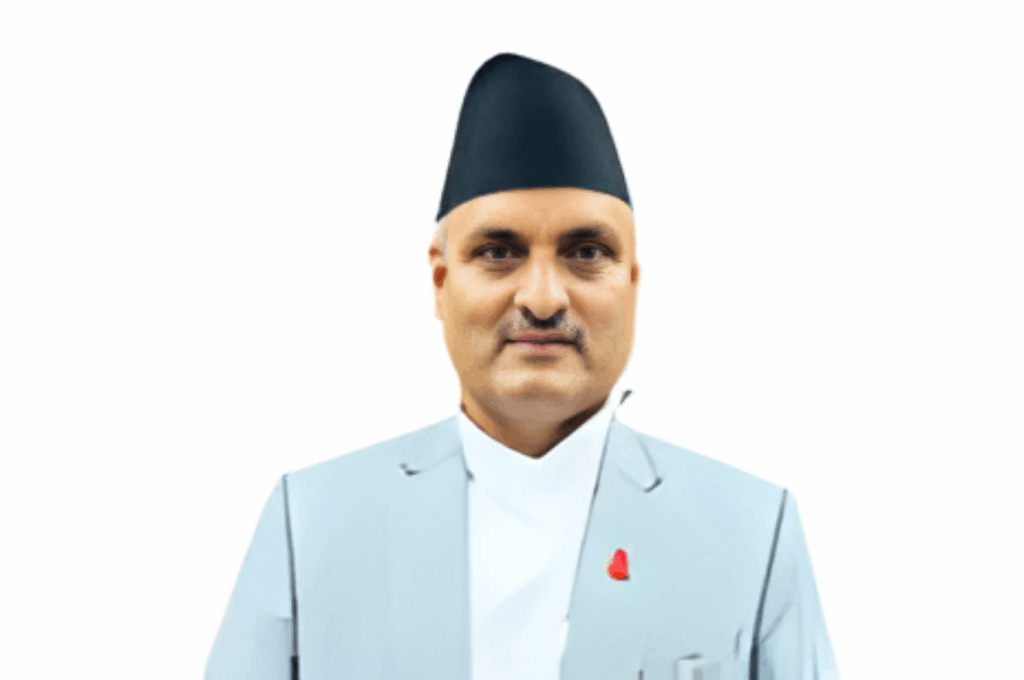
- Former Deputy Auditor General, Office of the Auditor General of Nepal, served as an Acting Auditor General from August 2023 to January 2024. ↩︎