A Journey of Institutional Development Towards the Creation of a Truly Specialized and Independent SAI: How Mozambique’s SAI Became a Benchmark in Specialized Audits and its Prospects
Author: Stefano Capello
Mozambique’s supreme audit institution (SAI) continues to operate under a hybrid model inherited from the colonial epoch, resembling the jurisdictional model. Mozambique’s Administrative Court (Tribunal Administrativo, TA) consolidates three distinct courts within a single organization, represented by its respective chambers. The First and Second Chambers are focused on Administrative, and Tax and Customs litigation, respectively. The Third Chamber performs the functions of an SAI. Despite a visible and steady process of institutional development in recent years, the main obstacle to its progress has been its hybrid structure. This configuration hinders the institution’s organizational, financial, and functional independence, the foundational basis for the effective functioning of an SAI as recognized in the 1977 Lima Declaration. Consequently, there is no fully functional SAI in Mozambique that meets the recommendations of the United Nations (UN), INTOSAI, and international best practices.
The GIZ (Deutsche Gesellschaft für Internationale Zusammenarbeit), a key technical partner of the TA since 2006, authored this article. GIZ’s support continues through the Good Financial Governance Program, a collaboration between the Republic of Mozambique, German Cooperation, the Swiss Embassy, and the European Union. Despite the TA’s institutional challenges stemming from its hybrid structure, the TA has significantly advanced its external control function. This progress, driven by synergies with various partners, has culminated with the consensus at the highest level of government of the need to establish a fully independent, specialized, and autonomous Supreme Audit Institution, the Tribunal de Contas de Moçambique. The paragraphs below cover this journey of institutional development, highlighting key milestones, challenges, and the significance of the current constitutional reform underway.
At the outset of the cooperation with GIZ, the Third Chamber of the TA focused its entire operations on the prior control of acts and contracts, a preliminary verification process ensuring legal and budgetary compliance. At that time, the TA had conducted only a limited number of audits and had never audited local governments. By 2026, the institution’s mandate has shifted significantly, with 80% of its activities now dedicated to audits and judgements. The TA now conducts ongoing audits across all levels of government—central, provincial, district, and municipal. A clear indicator of this transformation is the increase from 35 audits conducted in 2006 to 600 audits in 2010. To this date, the TA has conducted over a total of 8000 audits since 2006.
Strengthening a Culture of Accountability
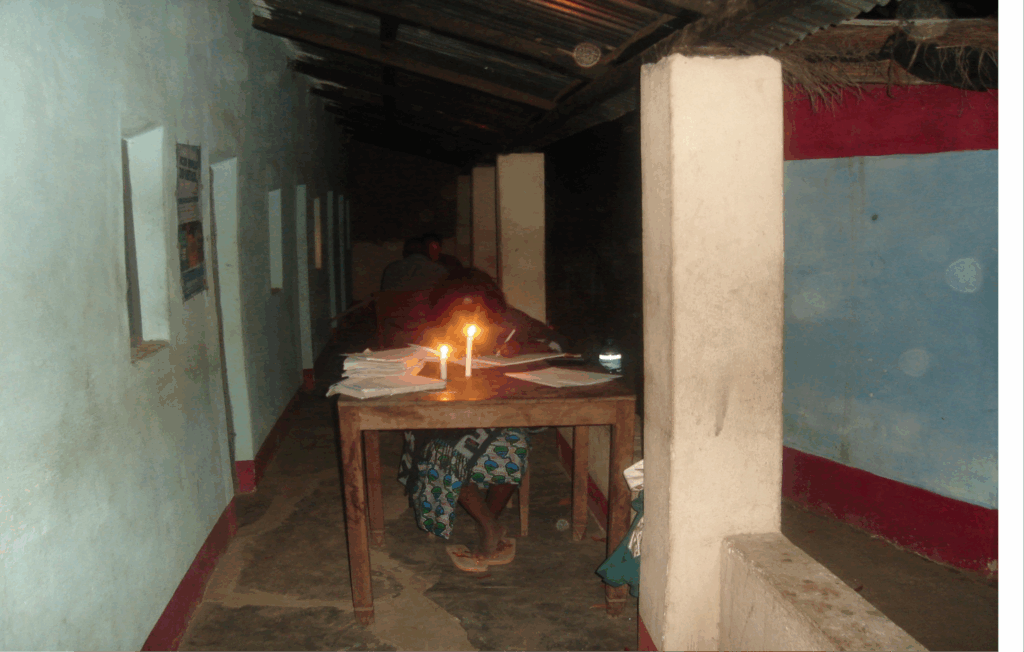
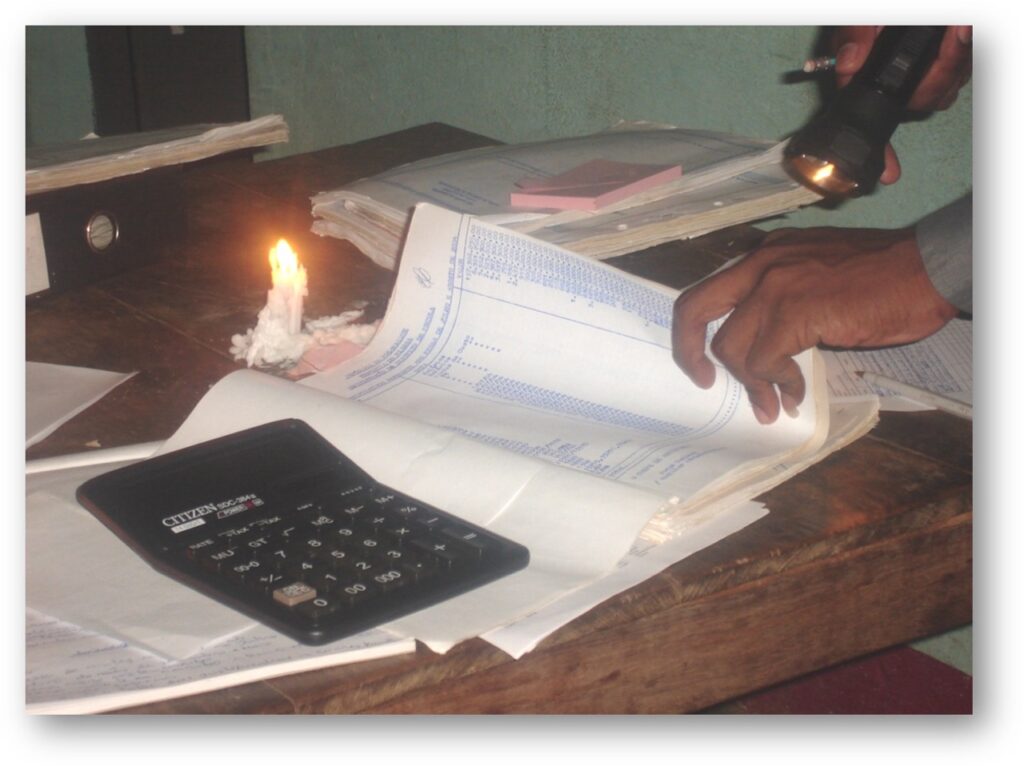
In 2007, only 107 public entities submitted their accounts to the Administrative Court (Tribunal Administrativo, TA), representing less than 8% of all public entities. In essence, virtually no entities were accountable to the TA. By 2025, all public entities now submit their management accounts to the TA, albeit still in physical format. However, a pioneering initiative, the “Electronic Submission of Public Accounts System,” is currently being implemented, marking a paradigm shift in public financial management in Mozambique.
Introduction of Performance Audits
In 2010, GIZ supported the introduction of performance audits at the TA, fostering peer-to-peer learning with Brazilian Courts of Accounts. The newly established TA performance audit team underwent training facilitated by these Brazilian institutions. In 2010, the TA conducted its first-ever performance audit, focusing on the “Distribution of Textbooks,” in collaboration with all Brazilian Courts of Accounts. Since then, the TA has consistently conducted annual performance audits in key sectors, including health, education, agriculture, transportation, and others.
Introduction of Specialized Audits
Over the past decade, the TA has significantly advanced its audit capabilities, transitioning from a primarily compliance-focused institution to one that conducts specialized audits in critical sectors. With support from GIZ and international partnerships, the TA has developed expertise in public works, extractive industries, and environmental audits, aligning with global standards and addressing Mozambique’s unique governance challenges. These initiatives have strengthened transparency, accountability, and public debate on resource management, marking a pivotal shift in the TA’s role as the nation’s Supreme Audit Institution.
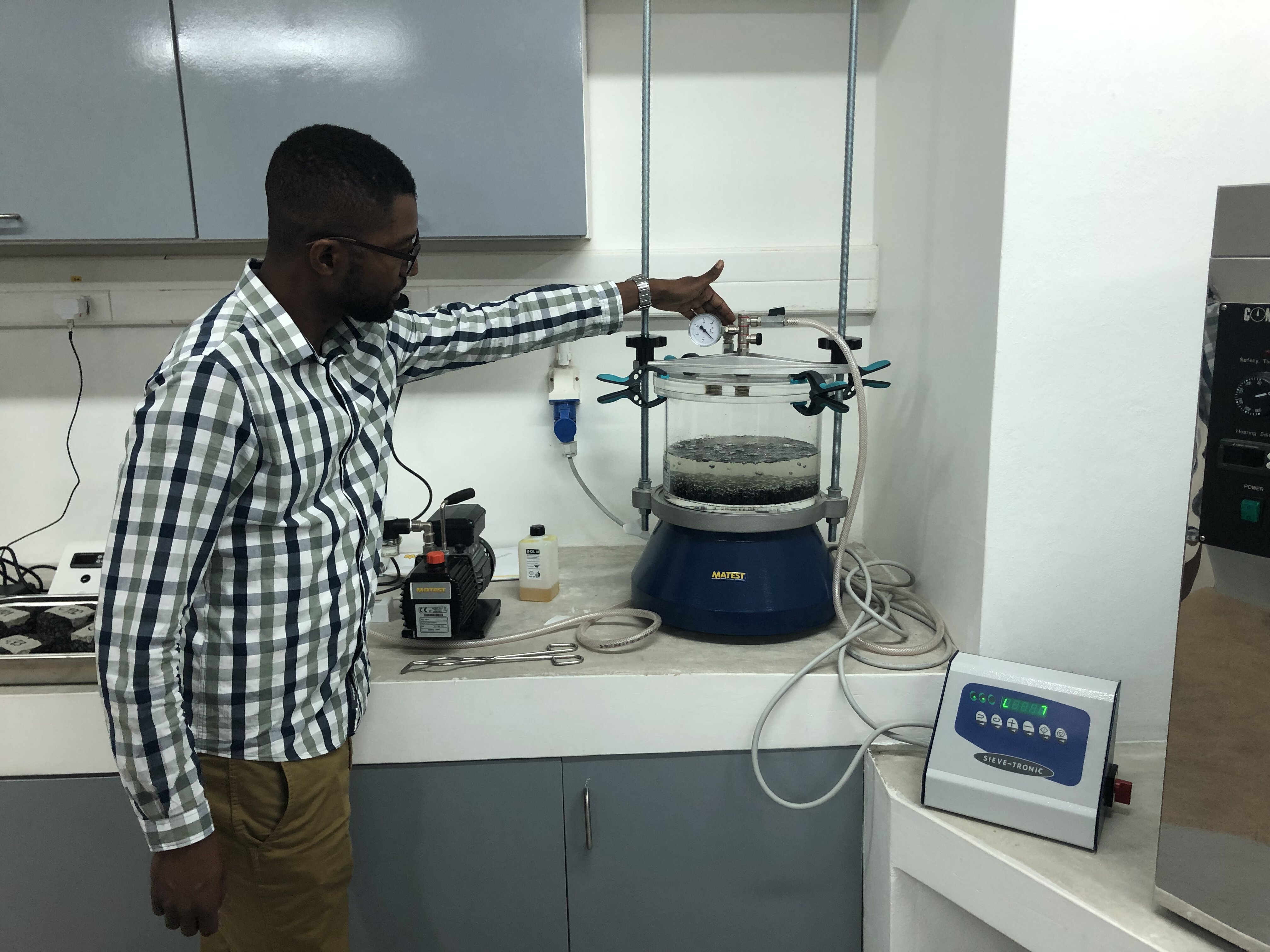
Through a pioneering initiative by GIZ with Supreme Audit Institutions (SAIs) in the region, the Administrative Court (Tribunal Administrativo, TA) of Mozambique established the public works audit sector in 2009. It recruited engineers and architects who were trained through cooperation agreements with other courts of accounts. Today, this sector is well-established and conducts audits of complex infrastructure projects, such as highways. GIZ equipped the TA with a Public Works Audit Laboratory, the only one of its kind among SAIs in Africa.
In 2015, the TA began auditing the extractive industry and introduced an exclusive chapter on the Extractive Industry in its annual Report and Opinion on General State Budget Execution, aiming to cover the entire value chain of the sector. This chapter is prepared and published annually, including on the internet. Key areas of focus include the analysis of recoverable costs in natural gas projects (the first report identified USD 2 billion unconfirmed by the Government of Mozambique), royalty payments, capital gains calculations, and the analysis of the resource revenue sharing mechanism where 2.75% of production taxes from mineral resource exploitation is destined to local development. The inclusion of these matters in the TA’s analyses has fostered public debate on governance in the country’s extractive sector, thereby promoting transparency and accountability.
On the topic of climate and environment, a cooperation agreement was signed between the TA and the Amazonas Court of Accounts (TCE-AM), Brazil, to develop environmental audits. The TA participated in the first coordinated audit of protected areas, alongside SAIs from five Portuguese-speaking African countries, coordinated by Brazil’s Federal Court of Accounts (TCU) with GIZ support. In the environmental domain, with a focus on climate change, the TA applied INTOSAI’s Climate Scanner tool in 2024, which provides an overview of the country’s governance, public policies, and climate financing. As a result of this work, the TA was the only African SAI to present its experience at an INTOSAI side event during COP 29, in Baku.
Advisory on Legal Reforms Related to the TA and Defense of Its Independence
In 2024, a legislative proposal threatened the TA’s independence by seeking to significantly curtail its authority. The proposal aimed to remove the TA’s oversight of critical entities and transfer audit and judgment powers to provincial administrative courts. This unprecedented move would have established subnational courts of accounts in a unitary state, a structure unique globally and likely to undermine the TA’s autonomy, weaken its role as a centralized Supreme Audit Institution, and fragment its oversight capabilities. Such changes risked eroding the TA’s ability to ensure consistent, independent financial governance across Mozambique, potentially exposing public finances to inefficiencies and reduced accountability. The GIZ, in close collaboration with key partners, notably the International Monetary Fund (IMF), provided robust advisory support to counter these proposals. GIZ, through its advisory services, developed of a comprehensive technical opinion that bolstered the TA’s position. This opinion was instrumental in parliamentary debates, where it was thoroughly discussed by various technical committees. Through these concerted advisory efforts and strategic partnerships, the TA’s competencies and independence were successfully preserved, safeguarding its critical role in Mozambique’s financial governance framework, and the need for the establishment of a modern and autonomous SAI.
Towards the Creation of the Court of Accounts of Mozambique
The establishment of the Tribunal de Contas de Moçambique (TCM) represents the culmination of years of institutional capacity building and underscores the growing public recognition that robust and mature control systems are essential for democratic development, economic growth, and enhanced social well-being. Since 2008, GIZ has been a pioneer among cooperation partners in advocating for the need to reform the TA’s institutional design, transforming the Public Accounts Chamber into a proper SAI aligned with international standards; independent, and specialized. The latest TA Strategic Plan reflected the need to establish a dedicated Court of Accounts to address the constraints and challenges posed by the current institutional structure. A comprehensive study on this matter was prepared by GIZ, which was extensively discussed with the Government, Judiciary, Legislature, and civil society organizations (CSOs). A technical and political consensus emerged regarding this need, most notably expressed through the President of the Republic’s inaugural address in January 2025 and the unified stance of all political parties in Parliament. The reform requires a constitutional amendment, the proposal for which was submitted by the TA to the Government on June 30, 2025, and was developed based on the GIZ study. Once the Court of Accounts of Mozambique is established, external audit oversight will achieve a qualitative leap, even more significant than the progress witnessed to date, marking a crucial step in strengthening institutional independence.